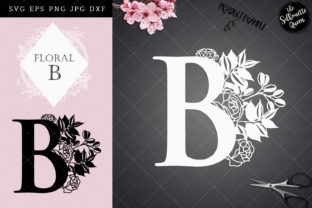
Floral Alphabet B: Maximizing Versatility Across Five Essential File Formats
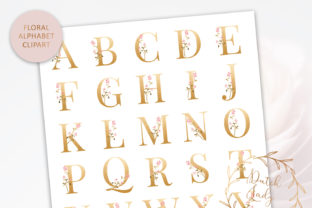
The Floral Alphabet B is more than just a decorative letter; it is a foundational design asset that bridges the gap between organic elegance and typographic structure. For creators ranging from professional graphic designers to DIY enthusiasts planning nursery decor, this specific botanical initial offers a timeless aesthetic. However, the true value of this asset lies not merely in its visual appeal but in understanding how to leverage the five included file formats effectively. Many users download these bundles with enthusiasm, only to find themselves frustrated by pixelation, uneditable layers, or machine compatibility issues. These frustrations rarely stem from the design itself but rather from a mismatch between the chosen file type and the intended application.
To get the most out of your Floral Alphabet B, you must treat each format as a specialized tool rather than a generic image. This package includes one SVG, one PNG, one EPS, one JPG, and one DXF file. Each serves a distinct purpose in workflows involving logo design, wedding invitations, scrapbooking, teaching resources, greeting cards, stickers, apparel, wall art, print-on-demand fabric, and web design. Recognizing these distinctions is the first step toward avoiding common pitfalls that compromise quality and waste time.
Avoiding Resolution Regrets in Print and Digital Media
One of the most frequent mistakes beginners make is defaulting to the JPG file for projects requiring transparency or high-resolution printing. While the JPG included with the Floral Alphabet B is excellent for web mockups, social media previews, or digital proofs where file size matters more than perfection, it is inherently limited. Because it is a raster format with a solid background, attempting to use it for a wedding invitation overlay or a t-shirt transfer often results in an unsightly white box around the silhouette or jagged edges when scaled up.
For any project involving custom invitations, greeting cards, or wall art where the floral letter needs to blend seamlessly with colored backgrounds or textures, the PNG file is your primary choice. The PNG provides a transparent background and crisp edges at standard sizes. However, even PNGs have limits. If you are designing large-format nursery art or banners, relying solely on the provided PNG may result in blurriness. In these instances, you should pivot to vector formats. Understanding when to abandon the convenience of raster images for the scalability of vectors prevents the disappointment of seeing pixelated florals in your final printed product.
Leveraging Vectors for Professional Customization
The black silhouette nature of the Floral Alphabet B is specifically designed for easy recoloring, yet many users overlook the editable potential of the EPS and SVG files. A common error occurs when designers try to recolor the JPG or PNG using basic paint bucket tools in photo editing software. This approach often leaves artifacts, uneven color fills, and rough edges that look unprofessional in logo design or branding materials.
Instead, utilize the EPS file for professional print environments and advanced illustration software like Adobe Illustrator. The EPS format preserves the mathematical curves of the floral design, allowing you to change the color instantly without degrading quality. Similarly, the SVG file is indispensable for web design and modern crafting machines. If you are creating print-on-demand fabric patterns or scalable web graphics, the SVG ensures the Floral Alphabet B remains sharp on everything from a mobile screen to a bolt of textile. Neglecting these vector files means forfeiting the adaptability that makes this asset so valuable for entrepreneurs and marketers who need consistent branding across diverse mediums.
Critical Considerations for Cutting Machines and Fabrication
For hobbyists and small business owners using vinyl cutters or laser engravers, the DXF file is non-negotiable. A pervasive misunderstanding in the crafting community is assuming that any image file can be cut cleanly. Users often attempt to trace the JPG or PNG within their cutting software, leading to jagged cut lines, excessive nodes, and wasted material. Auto-tracing algorithms struggle with the intricate details of floral silhouettes, frequently misinterpreting shadows or texture as cut paths.
The DXF file included in this bundle has been optimized specifically for fabrication. It contains clean, continuous paths that communicate directly with machines like Cricut, Silhouette, or laser cutters. Before you begin cutting stickers, iron-on transfers for t-shirts, or paper crafts, always verify that you are loading the DXF rather than a traced raster version. This simple verification step saves hours of weeding time and ensures professional-grade results. Additionally, check the dimensions within your cutting software immediately upon import; DXF files sometimes import at unexpected scales, and correcting this before setting your blade depth prevents ruined substrates.
Evaluating Licensing and Usage Rights Early
Before integrating the Floral Alphabet B into commercial products like print-on-demand merchandise or client logos, prudent creators evaluate the licensing terms associated with the download. A significant oversight is assuming that purchasing a digital asset grants unlimited commercial rights. While this silhouette is incredibly useful for business applications, failing to confirm whether attribution is required or if there is a cap on physical sales can lead to legal complications later.
Always review the license file included with your download. If you are a freelancer creating wedding stationery for a client, ensure your license covers end-product distribution. If you are an educator creating teaching resources for sale on digital marketplaces, verify that the flattened image requirements are met to protect the original asset. Clarifying these parameters upfront protects your business and ensures ethical usage. It also helps you determine if you need to purchase an extended license for high-volume commercial manufacturing versus personal scrapbooking use.
Optimizing Workflow Efficiency Through Organization
Efficiency is often sacrificed when digital assets are poorly managed. Because the Floral Alphabet B comes with five distinct files, downloading them into a generic "Downloads" folder without immediate organization leads to workflow friction. Creators frequently open the wrong file type repeatedly, realizing mid-project they are working with a raster instead of a vector, forcing them to restart.
Establish a systematic naming convention and folder structure immediately upon acquisition. Create a dedicated directory for typography assets and label files clearly, such as Floral_Alphabet_B_Vector.svg or Floral_Alphabet_B_CutFile.dxf. When working on complex projects like wedding suites that require matching elements across programs, having instant access to the correct format streamlines production. Furthermore, keep the original black silhouette master files separate from your recolored or modified versions. This preserves the integrity of the source asset, allowing you to return to a clean baseline whenever you start a new variation for a different client or seasonal campaign.
Ultimately, the Floral Alphabet B is a versatile tool designed to enhance creativity across a spectrum of applications. By respecting the technical specifications of each file format and approaching your workflow with intentionality, you transform a simple digital download into a powerhouse resource. Whether you are crafting a bespoke nursery sign, developing a botanical brand identity, or teaching letter recognition to students, success depends on matching the right file to the right task. Avoid the shortcuts that lead to subpar results, and invest the moment required to select the appropriate format. Your final creations will reflect that care through superior quality, professional presentation, and enduring satisfaction.