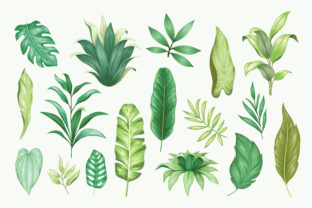
Vintage Hand Drawn Floral Collection: Elevating Design with Authentic Botanical Art
In an era dominated by algorithmic generation and sterile vector graphics, the demand for organic, human-centric design elements has never been higher. A Vintage Hand Drawn Floral Collection represents more than just a set of decorative assets; it is a bridge between historical artistry and modern digital application. For designers, crafters, and brand strategists, these collections offer a tangible sense of nostalgia and authenticity that computer-generated imagery often fails to replicate. Understanding how to effectively source, manage, and implement these botanical illustrations is essential for creating work that resonates emotionally with audiences seeking warmth and tradition.
Defining the Vintage Hand Drawn Floral Collection
A true Vintage Hand Drawn Floral Collection consists of botanical illustrations created using traditional media such as ink, watercolor, graphite, or gouache. Unlike modern digital art created directly on tablets, these pieces originate from physical brushstrokes and pencil lines. The "vintage" aspect refers not only to the age of the original artwork but also to the stylistic sensibilities of botanical illustration popularized in the 19th and early 20th centuries. These collections typically feature detailed scientific accuracy mixed with artistic flair, showcasing wildflowers, garden roses, ferns, and eucalyptus with imperfect, organic textures.
When acquiring these resources, it is vital to distinguish between genuine hand-drawn scans and digital filters applied to stock vectors. Authentic collections retain the grain of the paper, the variation in ink density, and the subtle irregularities that signal human craftsmanship. This authenticity is the primary value proposition for professionals looking to differentiate their projects in a saturated market.
Common Challenges in Sourcing and Implementation
While the aesthetic appeal of vintage florals is undeniable, integrating them into contemporary workflows presents specific challenges. Designers frequently encounter issues related to file quality, background removal, and licensing restrictions. One of the most pervasive problems is low-resolution sourcing. Many free or poorly curated libraries offer compressed files that pixelate when scaled for print, rendering them useless for packaging or large-format signage.
Another significant hurdle is the technical preparation of the artwork. Scanned hand-drawn elements often come with aged, yellowed, or textured backgrounds. Without proper editing skills or pre-processed files, isolating the floral subject can be tedious and result in jagged edges or lost detail. Furthermore, users must navigate complex usage rights. Just because an image looks old does not mean it is in the public domain; many restored collections are protected by copyright regarding the specific digital restoration or compilation.
How Curated Collections Solve Design Problems
A professionally curated Vintage Hand Drawn Floral Collection addresses these pain points by providing assets that are both aesthetically authentic and technically optimized. High-quality collections prioritize resolution, ensuring that scans are captured at minimum 300 DPI (dots per inch) and often up to 600 DPI for archival flexibility. This ensures that intricate details, such as the veining on a leaf or the texture of a petal, remain crisp regardless of the output size.
Moreover, premium collections often include multiple file formats tailored to different stages of the design process. By offering transparent backgrounds and clean isolation, these resources eliminate hours of post-processing work. This allows creatives to focus on composition and layout rather than technical remediation. From a legal standpoint, reputable collections provide clear licensing terms, giving users the confidence to deploy assets in commercial products without fear of infringement.
Practical Applications Across Industries
The versatility of a Vintage Hand Drawn Floral Collection makes it applicable across a wide spectrum of creative industries. Understanding where and how to apply these assets maximizes their return on investment.
- Wedding and Event Stationery: This is perhaps the most common application. Couples seeking a romantic, timeless aesthetic rely on hand-drawn florals for invitations, place cards, and signage. The organic nature of the art complements serif typography and textured paper stocks perfectly.
- Product Packaging and Labeling: Small businesses in the skincare, candle, and artisanal food sectors use vintage botanics to communicate natural ingredients and heritage. A hand-drawn lavender sprig on a soap label conveys "handmade" far more effectively than a glossy photograph.
- Textile and Surface Pattern Design: Fashion designers and interior decorators utilize these collections as base elements for repeating patterns. Because hand-drawn elements have natural variations, they create seamless patterns that feel less mechanical and more fluid than vector-based repeats.
- Digital Branding and Web Design: In web design, these florals serve as softening agents. They break up rigid grid layouts and add personality to minimalist interfaces, particularly for wellness brands, blogs, and educational platforms focused on humanities or arts.
Navigating File Formats for Optimal Results
To get the most out of a Vintage Hand Drawn Floral Collection, users must understand which file format suits their specific workflow. While this article focuses on raster implementations, understanding the ecosystem is crucial.
PNG: The Standard for Transparency
PNG (Portable Network Graphics) is the industry standard for incorporating hand-drawn florals into composite designs. The lossless compression preserves the delicate edges of scanned ink lines, while alpha channel support allows for transparent backgrounds. When working with vintage art, always opt for high-bit-depth PNGs to prevent banding in subtle watercolor washes. This format is ideal for Canva users, web designers, and anyone layering flowers over colored backgrounds.
JPG: Best for Textured Backgrounds
JPEG files are useful when the floral arrangement includes a background texture or when file size is a strict constraint, such as in email marketing or website hero images. However, because JPG does not support transparency, it is best reserved for full-frame compositions or instances where the white/cream paper background is intended to be part of the design aesthetic. Always verify that the compression level is low to avoid artifacts around fine lines.
Considerations Regarding Vector Alternatives
It is important to note the distinction between raster scans and vector formats like EPS or AI. While vectors offer infinite scalability, they are inherently mathematical. A true Vintage Hand Drawn Floral Collection in its purest form is raster-based because it captures the physical medium. If you require vector scalability, look for collections that offer "vectorized traces" alongside the original scans. Be aware that auto-tracing can sometimes sanitize the charming imperfections of hand-drawn art. For many applications, a high-resolution PNG scan offers superior textural fidelity compared to a sanitized vector counterpart.
Tailoring the Approach to User Needs
Different users will leverage a Vintage Hand Drawn Floral Collection based on their distinct goals and skill levels. Recognizing your user persona helps in selecting the right asset pack.
The DIY Crafter and Hobbyist typically prioritizes ease of use over technical specifications. For this group, pre-cropped PNGs with transparent backgrounds are essential. They likely use tools like Cricut Design Space or Canva and need assets that are "plug-and-play." Recommendations for this audience should focus on cohesive bundles where colors and styles match across different flower types, reducing the cognitive load of mixing and matching.
The Professional Graphic Designer seeks maximum flexibility. They may prefer unedited high-resolution TIFF or PNG scans that still contain the original paper texture, allowing them to perform custom masking and color grading within Photoshop or Affinity Photo. They value consistency in lighting and scanning methodology across the entire collection to ensure uniform compositing. For professionals, metadata tagging and organized folder structures are just as important as the visual assets themselves.
The Product Creator and POD Seller operates with commercial viability in mind. Their primary concern is licensing clarity and uniqueness. They need assurance that the Vintage Hand Drawn Floral Collection they purchase allows for derivative works and end-products. They often look for "extended license" options and unique, less-saturated motifs to avoid having their products look identical to competitors using the same popular stock assets.
Best Practices for Integration and Composition
Successfully implementing vintage florals requires a thoughtful approach to composition. Avoid simply dropping a flower onto a canvas; instead, treat the botanical element as an integral part of the hierarchy. Use blending modes like "Multiply" or "Overlay" to integrate scanned textures with digital backgrounds seamlessly. This technique allows the underlying color to show through the darker ink lines while preserving the luminosity of watercolor washes.
Scale is another critical consideration. Because these are hand-drawn elements, they possess a natural scale relative to the original paper size. Respecting this proportion maintains realism. If you must enlarge a flower significantly, ensure the source resolution supports it to avoid blurriness. Conversely, shrinking high-res scans too much can cause aliasing; applying a slight Gaussian blur or noise reduction can help maintain visual integrity at smaller sizes.
Finally, consider the color palette. Vintage collections often feature muted, desaturated tones characteristic of aged pigments. When pairing these with modern design elements, either embrace the sepia-toned nostalgia or carefully adjust hue/saturation curves to harmonize with contemporary brand colors. The goal is to create a dialogue between the old and the new, leveraging the emotional weight of the Vintage Hand Drawn Floral Collection to anchor modern messaging in a sense of enduring quality and care.