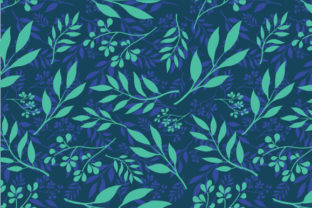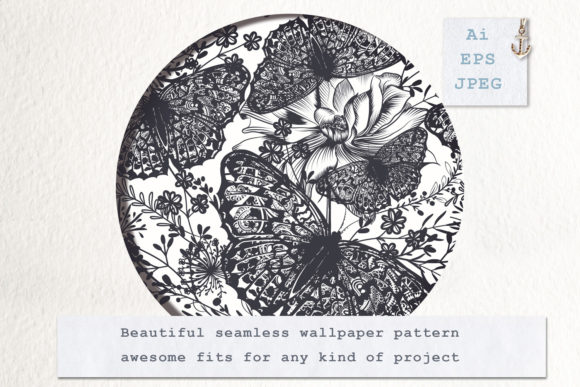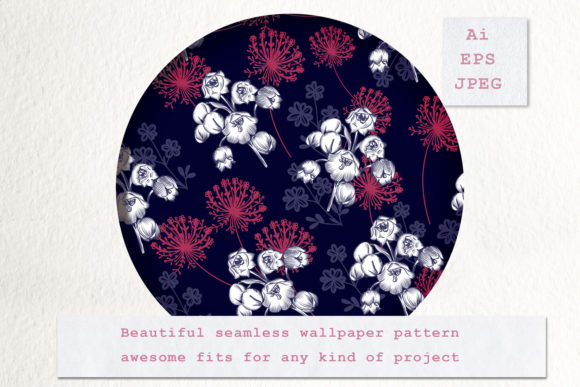
Seamless Floral Cute in Vector: A Practical Guide to Smart Usage
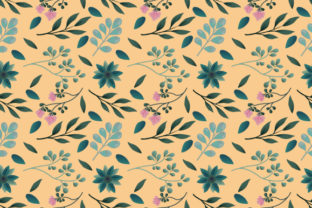
Finding the perfect background texture often feels like searching for a needle in a digital haystack, especially when your project demands a specific aesthetic. When designers and creators search for Seamless Floral Cute in Vector, they are usually looking for more than just a pretty picture; they need a functional asset that scales without losing charm or clarity. This specific style combines the technical precision of vector graphics with the soft, approachable appeal of kawaii or whimsical botanical illustrations. Whether you are designing packaging for a children’s product, creating stationery for a wedding, or building a brand identity for a boutique, understanding how to properly evaluate and utilize these files is essential for professional results.
The appeal lies in versatility. Unlike raster images that pixelate when enlarged, a true Seamless Floral Cute in Vector allows you to cover a billboard or a business card with identical crispness. However, the market is flooded with mislabeled assets and poorly constructed files that can derail a project before it begins. Many enthusiastic beginners and even seasoned professionals overlook critical technical details, assuming that any file labeled "vector" will behave correctly in their workflow. Avoiding common pitfalls starts with understanding what you are actually downloading and how to integrate it effectively into your design process.
Distinguishing True Vectors from Disguised Rasters
One of the most frequent and costly mistakes occurs when a user purchases or downloads a file believing it is a native vector, only to discover it is merely a JPG embedded inside an EPS container. This is particularly prevalent in the "cute floral" niche, where complex shading and watercolor effects are popular. True vectors are composed of mathematical paths and anchor points, allowing for infinite editing and scaling. Embedded rasters are simply pixels trapped in a vector wrapper.
If your goal is to recolor individual flowers, adjust the spacing of the pattern, or scale the design to massive proportions without quality loss, an embedded raster will fail you. Before committing to a Seamless Floral Cute in Vector asset, always open the EPS file in software like Adobe Illustrator, Affinity Designer, or CorelDRAW. Use the direct selection tool to click on individual elements. If you see a bounding box around the entire image rather than individual anchor points on specific petals or leaves, you are likely working with a placed image. For projects requiring color customization or size flexibility, insist on fully expanded, editable paths. If the aesthetic relies heavily on painterly textures that cannot be replicated with vectors, acknowledge this limitation upfront and plan your print resolution accordingly.
Verifying Seamlessness Beyond the Thumbnail
The term "seamless" is sometimes used loosely in digital marketplaces. A pattern might look continuous in a small preview but reveal obvious grid lines, mismatched colors, or clipped motifs when applied to a larger artboard. This issue often stems from improper tiling during the creation process, where edge elements were not perfectly mirrored or aligned across the canvas boundaries.
To avoid ruining a production run or wasting hours on manual retouching, test the tile immediately after acquisition. Create a new document and place the pattern swatch in a 3x3 grid. Zoom in to 100% and inspect the intersection points where four tiles meet. In a high-quality Seamless Floral Cute in Vector, the transition should be invisible. Pay special attention to delicate elements like stems or tiny buds that cross the border; these are often where alignment errors hide. If you find discrepancies, determine if they are fixable within your skill set and time budget. Sometimes, a slight overlap can be corrected with cloning tools, but significant structural flaws suggest the file was not professionally prepared. It is better to identify this during the proofing stage than after sending files to a printer.
Navigating File Formats and Compatibility
Most premium and free resources provide two primary files: one vector EPS and one JPG. Understanding the distinct role of each prevents workflow bottlenecks. The JPG serves as a visual reference and is suitable for quick mockups, web backgrounds, or digital presentations where editability is unnecessary. The EPS is your master production file. However, not all EPS files are created equal.
Version compatibility is a silent productivity killer. An EPS saved in the latest Illustrator CC version may not open correctly in older CS6 installations or alternative vector software. Conversely, saving in a very old legacy format might strip modern transparency effects or gradient meshes, flattening your cute floral design into something dull. Always check the file description for version information. If you are using non-Adobe software, verify that the EPS uses standard PostScript features rather than proprietary Adobe extensions. Additionally, be mindful of color modes. Floral patterns intended for print should ideally be in CMYK, while those for digital use are RGB. Converting between these modes can shift colors dramatically, turning soft pastels into muddy tones or neon brights. Checking the color space before starting your layout saves frustrating correction time later.
Evaluating Complexity and Performance
Cute floral designs often feature intricate details, numerous layers, and hundreds of anchor points to achieve their hand-drawn look. While visually appealing, excessive complexity can bloat file sizes and cause rendering lag. A common oversight is using a highly detailed Seamless Floral Cute in Vector as a live pattern fill on large-format prints or complex packaging die-lines. This forces the computer to recalculate thousands of paths repeatedly, leading to crashes or unmanageable export times.
A smarter approach involves assessing the node count relative to your output needs. If the pattern is overly dense, consider simplifying it by merging overlapping shapes or removing hidden anchor points that do not contribute to the visible outline. Alternatively, expand the pattern into static artwork once your layout is finalized, rather than keeping it as a live swatch. This reduces processing overhead while maintaining visual fidelity. For web applications, remember that raw EPS files are not browser-compatible. You will need to convert the vector to SVG or export a high-resolution PNG/WebP from the source file. Optimizing the SVG code by removing metadata and unused definitions ensures your cute floral background loads quickly without sacrificing sharpness on retina displays.
Licensing and Commercial Viability
Technical quality matters little if legal usage rights are unclear. The "cute" aesthetic is saturated with content, and licensing terms vary wildly between platforms. Some vectors are free for personal use but require attribution or paid licenses for commercial products. Others prohibit use in merchandise intended for resale, such as fabric printing or sticker sales, even if you modify the design significantly.
Never assume that purchasing a file grants unlimited rights. Read the specific license agreement attached to the Seamless Floral Cute in Vector you intend to use. Look for clauses regarding print-on-demand services, template creation, and logo usage. Many standard licenses explicitly forbid using standalone patterns as the primary value of a product. If your business model relies on selling items featuring this floral design, ensure you have acquired an extended or commercial license. Documenting your purchase and license terms protects your brand from future disputes. This due diligence is as important as checking color profiles; it ensures your creative investment remains secure and profitable.
Making Informed Creative Decisions
Ultimately, successful integration of seamless floral vectors requires balancing aesthetic desires with technical realities. By verifying true vector construction, testing seam integrity, respecting format limitations, managing file performance, and confirming licensing, you transform a simple download into a reliable professional asset. These precautions may seem tedious initially, but they cultivate a disciplined workflow that distinguishes amateur outputs from polished, market-ready designs. When you treat Seamless Floral Cute in Vector as a technical tool rather than just decorative clip art, you unlock its full potential to enhance your projects efficiently and beautifully.