Integrating Watercolor Floral Digital Papers into Modern Creative and Commercial Workflows
The intersection of traditional artistic aesthetics and digital utility has created a significant demand for high-quality texture assets in contemporary design. Among these resources, watercolor floral digital papers have emerged as a versatile staple for professionals and hobbyists alike. Unlike solid colors or vector-based patterns, hand-painted textures introduce an element of organic imperfection that softens digital layouts and adds tactile depth to visual projects. Understanding the technical specifications and practical applications of these assets is essential for maximizing their value across various mediums, from physical stationery to web graphics.
Technical Specifications and Print Readiness
When selecting digital backgrounds for professional use, resolution and file integrity are paramount. A standard benchmark for high-fidelity printing is 300 DPI (dots per inch). This density ensures that when a file is printed at its native size, the ink droplets are sufficiently dense to prevent pixelation or blurring. For a 12x12 inch digital paper, this resolution translates to a pixel dimension of 3600 x 3600 pixels. This specific sizing is not arbitrary; it aligns with standard scrapbooking formats while providing ample surface area for larger format prints like wedding invitations or business cards without requiring upscaling algorithms that can degrade image quality.
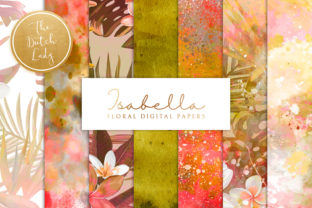
The JPG format remains the industry standard for these textured backgrounds due to its balance of color fidelity and file manageability. While lossless formats exist, high-quality JPGs preserve the subtle gradients inherent in watercolor media—such as the bleeding edges of orange pigment or the shimmer of gold glitter accents—without creating prohibitively large file sizes. Furthermore, the seamless pattern capability is a critical technical feature. Seamless tiling allows designers to extend the background indefinitely across any canvas size without visible repetition lines or mismatched edges. This is particularly relevant for web design banners or fabric printing where the artboard dimensions may exceed the original 12x12 inch source file.
Color Theory in Botanical Assets
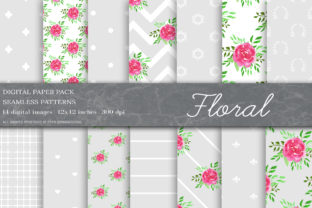
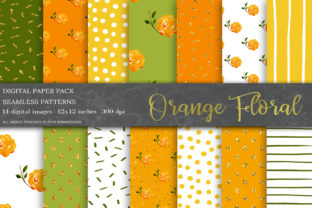
The specific color palette of a digital paper set dictates its emotional resonance and functional application. A combination featuring hand-drawn orange flowers against green foliage creates a complementary color scheme rooted in natural observation. Orange and green sit opposite each other on the color wheel, generating high contrast that draws the eye while maintaining harmony because both colors coexist frequently in nature. The addition of gold glitter elements introduces a metallic accent that serves as a neutral highlighter, bridging the gap between the warmth of the orange and the coolness of the green.
This triad of colors offers distinct psychological associations useful for targeted branding. Orange evokes creativity, warmth, and approachability, making it suitable for educational materials or lifestyle brands. Green suggests growth, stability, and freshness, often utilized in wellness or eco-conscious projects. Gold implies luxury, celebration, and milestone events. When combined in a single watercolor floral digital paper set, these hues provide a pre-coordinated palette that reduces decision fatigue for designers who need to maintain brand consistency across multiple collateral types.
Diverse Applications Across Industries
The utility of botanical digital papers extends far beyond simple background fills. Different sectors leverage these assets to solve specific communication challenges through visual texture.
- Wedding and Event Stationery: The hand-drawn quality of watercolor florals communicates intimacy and personalization that rigid typography cannot achieve alone. Designers use these papers as envelope liners, invitation backdrops, or menu borders. The seamless nature allows for custom-sized response cards and table numbers that match the main suite perfectly.
- Digital Planning and Journaling: In the realm of digital planning, users seek aesthetics that mimic physical stationery. High-resolution floral papers serve as divider screens, sticker bases, and page templates. The 12x12 format is specifically optimized for tablet-based planning apps, allowing users to import assets without resizing.
- Commercial Packaging and Branding: Small businesses often utilize digital papers for product packaging, thank-you cards, and social media templates. The organic texture helps differentiate artisanal products from mass-produced competitors. A set containing 14 unique variations provides enough diversity to create a cohesive brand identity system without appearing repetitive across different touchpoints.
- Fabric and Textile Design: Because these files are seamless and high-resolution, they are directly applicable to print-on-demand fabric services. Crafters use them to create custom quilting cottons, apparel linings, or home decor textiles. The watercolor aesthetic translates exceptionally well to fabric, as the slight transparency of the digital paint mimics dye absorption in natural fibers.
Workflow Integration for Mixed Media Projects
For creators working in hybrid environments, understanding how to manipulate digital papers is as important as the asset itself. While these files function as standalone backgrounds, their true potential is unlocked through layering and blending. In software like Photoshop, Procreate, or Affinity Photo, changing the blend mode of a floral paper layer can dramatically alter its interaction with underlying content. Using "Multiply" retains the dark pigments and shadows while making white areas transparent, effectively turning the paper into a stamp or overlay. Conversely, "Screen" or "Lighten" modes isolate the lighter highlights and gold glitter effects, allowing them to be superimposed onto darker photographs or solid color blocks.
Clipping masks represent another essential workflow technique. Rather than using the entire 12x12 sheet, designers can clip the watercolor texture into specific shapes—circles for profile pictures, irregular blobs for modern layouts, or text paths for typographic treatments. This method preserves the non-destructive nature of digital design, allowing the texture to be repositioned within the shape until the perfect section of the flower or glitter detail is framed. For scrapbookers, this technique enables the creation of custom embellishments that coordinate perfectly with the main page background without purchasing additional individual elements.
Evaluating Quality and Artistic Integrity
Not all digital papers are created equal, and distinguishing superior assets requires a trained eye. Authentic watercolor floral digital papers should exhibit characteristics of real media. Look for hard edges where pigment pooled during drying, soft gradients where water dispersed color, and paper grain texture beneath the paint. Digitally generated simulations often lack these micro-details, resulting in flat, plastic-looking surfaces. Hand-drawn originals scanned at high resolution retain the tooth of the watercolor paper, which adds necessary realism to the final output.
Variation within a set is another marker of quality. A collection of 14 digital papers should offer genuine diversity rather than minor recolors of the same image. Effective sets include variations in scale (zoomed-in macro details versus full-pattern repeats), density (sparse placement versus lush coverage), and color dominance (orange-heavy versus green-heavy). This variety ensures that a designer can create hierarchy within a project, using busier patterns for covers or dividers and subtler textures for body text areas where readability is paramount.
Licensing and Commercial Considerations
For business owners and professional designers, understanding usage rights is a critical component of asset acquisition. Digital papers typically come with specific licensing terms that dictate how they can be used in commercial products. Generally, personal use licenses allow for unlimited creation of items for oneself or as free gifts. Commercial licenses usually permit the sale of finished physical products (like printed invitations or fabric) but may restrict the resale of the digital file itself or its use in digital end-products where the texture is the primary value proposition.
Professionals must also consider attribution requirements and modification clauses. Some licensors require credit on the final product, while others waive this for premium commercial licenses. Additionally, verifying that the seamless patterns were created correctly is vital for commercial fabric printing; a flawed seam can result in wasted yardage and financial loss. Testing a small swatch or utilizing the tiling preview function in design software before committing to a large production run is a best practice that mitigates risk.
Strategic Asset Management
Acquiring a comprehensive set of watercolor floral digital papers is only the first step; organizing these assets determines long-term efficiency. With 14 high-resolution JPG files, proper naming conventions and metadata tagging become necessary. Renaming files from generic codes to descriptive titles (e.g., "Watercolor_Orange_Floral_Gold_Glitter_Seamless_01.jpg") facilitates rapid searching within asset management systems or operating system explorers. Creating smart folders based on color dominance or pattern density further streamlines the selection process during active design sessions.
Backup strategies are equally important for digital assets. Cloud storage solutions synchronized with local drives ensure that these foundational design elements remain accessible across devices and protected against hardware failure. For teams, shared libraries in creative cloud ecosystems allow multiple designers to access the same curated watercolor textures, ensuring brand consistency across departments. By treating digital papers as core infrastructure rather than disposable decorations, organizations maximize their return on investment and maintain a cohesive visual language across all communications.