Integrating D - Floral Letter Design Across Digital and Physical Media
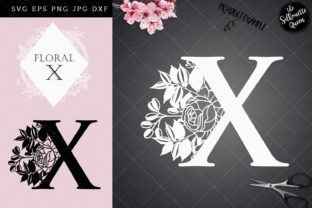
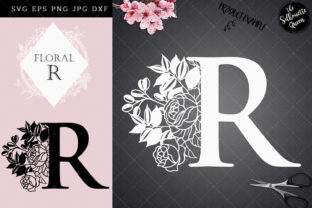
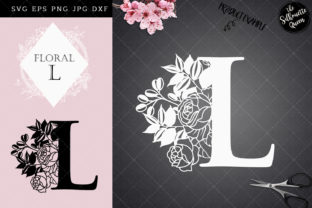
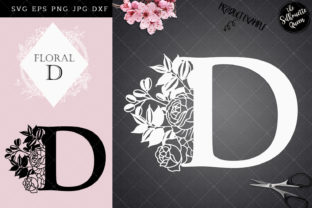
The intersection of typography and botanical illustration creates a visual language that is both structured and organic. When utilizing a specific asset like the D - Floral Letter Design, creators are not merely selecting a font glyph but adopting a versatile graphical element that bridges the gap between rigid letterforms and natural fluidity. This particular design package, featuring a black silhouette aesthetic, serves as a foundational building block for projects ranging from high-end branding to educational materials. Understanding how to leverage the included file formats—SVG, PNG, EPS, JPG, and DXF—is essential for maximizing the utility of this floral alphabet resource across various professional and hobbyist workflows.
Technical Versatility Through Multi-Format Availability
The true value of a digital design asset lies in its adaptability. A single static image limits potential applications, whereas a comprehensive suite of file types unlocks cross-platform compatibility. The D - Floral Letter Design is engineered for this exact purpose, providing five distinct formats that cater to different software ecosystems and output requirements.
Vector Mastery with SVG and EPS
For professional designers and print shops, vector formats are non-negotiable. The included EPS (Encapsulated PostScript) file ensures compatibility with legacy industry-standard software like Adobe Illustrator and CorelDRAW. Vectors rely on mathematical paths rather than pixels, meaning the floral D can be scaled to the size of a billboard or shrunk to a business card without any loss of fidelity. This is critical for logo design where crisp edges are mandatory.
The SVG (Scalable Vector Graphics) file extends this scalability into the web domain. Unlike raster images, SVGs remain sharp on high-DPI retina displays and can be manipulated directly via CSS or JavaScript. For web designers incorporating the Floral Alphabet D into a site header or interactive element, the SVG format allows for dynamic color changes and hover effects without requiring multiple image exports. Furthermore, SVGs typically have smaller file sizes compared to high-resolution rasters, contributing to faster page load times and better SEO performance.
Raster Accessibility via PNG and JPG
Not every project requires complex vector editing. For content creators, social media managers, and hobbyists, raster formats offer immediate usability. The PNG file included in this package is particularly valuable due to its support for transparency. Because the design is a black silhouette, having a transparent background allows users to overlay the letter onto textured papers, colored backgrounds, or photographic elements without needing to manually mask out white space. This makes it ideal for digital scrapbooking, YouTube thumbnails, and Canva-based designs.
The JPG format serves as the universal standard for quick previews and simple document embedding. While it lacks transparency, it offers broad compatibility with basic word processors and presentation software. For educators creating teaching resources or worksheets who do not have access to advanced graphic design tools, the JPG provides a plug-and-play solution for integrating decorative typography into learning materials.
CNC and Fabrication Readiness with DXF
A unique inclusion in this package is the DXF (Drawing Exchange Format) file. This format specifically targets the maker community and manufacturing sector. DXF files contain precise path data readable by CNC routers, laser cutters, and vinyl plotters. For crafters using Cricut or Silhouette machines, or professionals operating industrial cutting equipment, this file eliminates the need for manual tracing. The silhouette nature of the D - Floral Letter Design translates perfectly to cut lines, enabling the creation of physical signage, cake toppers, stencils, and custom apparel transfers with minimal preparation time.
The Strategic Advantage of Silhouette Aesthetics
The decision to provide this design as a black silhouette is a deliberate functional choice that enhances user agency. In color theory and design psychology, black acts as a neutral canvas. By starting with a monochrome base, the Floral Alphabet D avoids imposing a specific mood or seasonal association, allowing the end-user to dictate the emotional tone through recoloring.
Effortless Customization and Brand Alignment
Brand identity relies heavily on consistent color palettes. If a floral letter were pre-colored in pastel pink, it would be unsuitable for a corporate law firm or a gothic wedding theme. The black silhouette format allows designers to apply brand-specific hex codes instantly within their preferred image editing software. Whether using Photoshop’s layer styles, Illustrator’s fill tools, or Procreate’s alpha lock, recoloring takes seconds. This flexibility ensures that the same typographic asset can serve a luxury spa, a children’s nursery, and a tech startup simultaneously, simply by adjusting the hue and saturation.
Contrast and Legibility Considerations
Silhouettes inherently possess high contrast, which aids in legibility when used against lighter backgrounds. However, because this is a floral design where organic shapes intersect with letter structure, users must be mindful of negative space when recoloring. When applying the D - Floral Letter Design to dark backgrounds, inverting the silhouette to white or a metallic tone maintains visibility. The intricate details of the botanical elements add texture that prevents solid blocks of color from appearing flat, adding depth to invitations and wall art without introducing visual noise that distracts from the alphanumeric message.
Applied Use Cases Across Industries
The versatility of the Floral Alphabet D extends far beyond simple decoration. Its hybrid nature makes it a problem-solving tool across diverse sectors.
Wedding and Event Stationery
In the wedding industry, customization is paramount. This design asset functions as a drop cap for invitation suites, menu cards, and seating charts. The floral motif aligns naturally with botanical wedding themes, while the ability to recolor ensures it matches everything from sage green eucalyptus accents to deep burgundy velvet textures. Planners can use the DXF file to create acrylic table numbers or wooden welcome signs, providing a cohesive tactile experience that links digital invites to physical decor.
Educational Resources and Child Development
For educators and homeschoolers, multisensory learning is key. The D - Floral Letter Design transforms abstract literacy concepts into tangible visuals. Teachers can use the PNG to create flashcards where the letter shape itself tells a story about nature. The silhouette can be filled with patterns or textures to aid visual discrimination skills. Additionally, the DXF file enables the creation of tactile letter puzzles or sand-trace templates for students with sensory processing needs, bridging digital design with kinesthetic learning methodologies.
Print-on-Demand and Merchandise
Entrepreneurs in the print-on-demand space require assets that scale and adapt to various products. The vector formats ensure that the floral D looks crisp on everything from ceramic mugs to large-format tapestries. Because the design is a silhouette, it works exceptionally well for sublimation printing and screen printing, where limiting color counts reduces production costs. Sellers can create niche-specific variations—recoloring the design in university colors for alumni merchandise or in team hues for sports fans—maximizing the commercial potential of a single digital asset.
Nursery Art and Interior Decor
Personalized nursery art remains a perennial bestseller. The Floral Alphabet D offers a gender-neutral foundation that parents can customize to fit any room theme. Unlike cartoonish alphabet art, the elegant botanical styling grows with the child, transitioning seamlessly from baby decor to teen aesthetics. Framed prints utilizing the high-resolution vector outputs ensure gallery-quality results, while the ability to modify colors allows the artwork to coordinate with existing bedding and paint schemes without requiring custom illustration commissions.
Workflow Optimization and Best Practices
To fully realize the potential of this design package, users should adopt specific workflow strategies tailored to their output medium.
- File Organization: Maintain a master folder structure separating vector sources from raster exports. Always edit the original SVG or EPS when making structural changes, and export new rasters only for final deployment to preserve quality.
- Color Management: When preparing the D - Floral Letter Design for professional printing, convert recolored vectors to CMYK color space to prevent unexpected shifts in hue. For web and digital display, retain RGB profiles for vibrant rendering.
- Cutting Preparation: Before sending the DXF file to a cutter, verify that all paths are closed and welded. Floral designs often contain overlapping elements that can cause double-cuts; simplifying the geometry in vector software prior to fabrication saves material and time.
- Licensing Awareness: While the asset is versatile, users should always verify the specific license terms regarding commercial redistribution versus personal use, especially when incorporating the letter into products intended for resale.
By understanding the technical specifications and practical applications of each file type, creators can transform a simple alphabetical character into a multifaceted design tool. The D - Floral Letter Design exemplifies how thoughtful asset creation supports a wide ecosystem of users, from professional graphic designers requiring precision vectors to educators seeking engaging visual aids. The combination of format diversity and aesthetic neutrality ensures that this floral alphabet component remains relevant and useful across an endless array of creative endeavors.