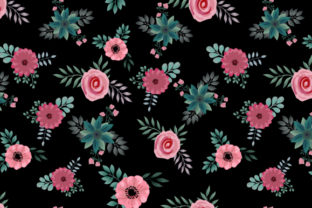
Evaluating Seamless Floral Pattern Vintage Assets for Design Projects
Selecting the right background texture or surface design is a critical decision in both digital and print projects. When designers and creators search for a Seamless Floral Pattern Vintage aesthetic, they are typically looking for more than just a decorative element; they are seeking a specific historical resonance combined with technical utility. Understanding the intersection of this specific visual style and the functional requirements of vector-based assets is essential for making an informed selection. This evaluation focuses on the practical implications of acquiring a package containing one vector EPS file and one JPG raster image, helping you determine if this asset type aligns with your current project goals.
Defining the Vintage Floral Aesthetic
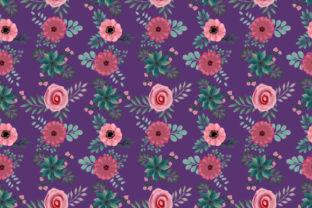
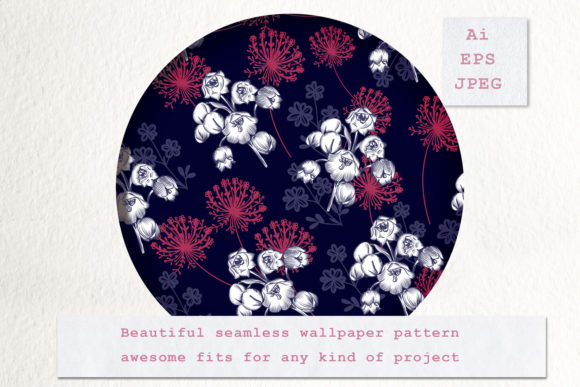
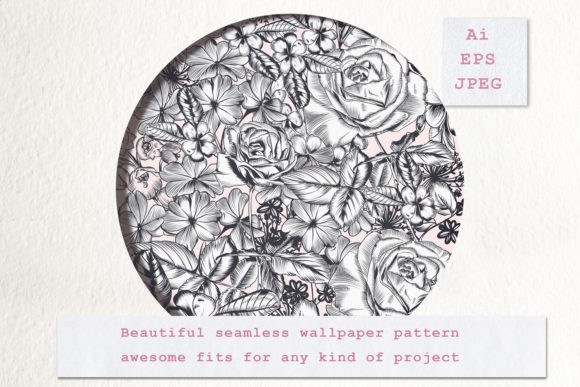
A Seamless Floral Pattern Vintage refers to a repeating surface design that mimics botanical illustrations, textile prints, or wallpaper styles from previous decades, ranging from Victorian realism to mid-century stylization. Unlike modern floral designs which often feature high saturation and digital precision, vintage variants typically exhibit muted color palettes, organic line work, and intentional imperfections that suggest age or traditional printing methods. The "seamless" designation indicates that the motif repeats perfectly on both horizontal and vertical axes without visible breaks or misalignment.
When evaluating these patterns, it is important to distinguish between true vintage reproductions and modern interpretations. True reproductions may carry artifacts like paper grain or scanning noise, which can be desirable for authenticity but problematic for clean vector editing. Modern interpretations offer the vintage look with mathematically perfect nodes and cleaner color separation. Your choice depends on whether the priority is historical accuracy or production efficiency.
Technical Evaluation: Vector EPS vs. Raster JPG
The inclusion of both EPS and JPG formats in a single asset package addresses distinct workflow needs, but each comes with specific tradeoffs that must be weighed during the selection process.
The Role of the Vector EPS File
The Encapsulated PostScript (EPS) format serves as the master source file. For a Seam Floral Pattern Vintage, the vector format offers several critical advantages:
- Infinite Scalability: Unlike raster images, vectors maintain crisp edges regardless of size. This is non-negotiable for large-format printing such as signage, wall murals, or textile bolts where pixelation would ruin the vintage illusion.
- Color Customization: Vintage palettes do not always match contemporary brand guidelines. An EPS file allows you to select individual flower petals, leaves, or background elements to recolor them globally or individually without degrading quality.
- Editability: If the pattern density is too high or low for your application, vector paths can be rearranged, deleted, or added. You can also adjust stroke weights to better suit different output resolutions.
However, users should be aware of potential limitations. Complex vintage florals can contain thousands of anchor points, leading to significant processing lag in software like Adobe Illustrator. Additionally, if the original artwork was scanned rather than drawn digitally, the EPS might simply be a raster image embedded within a vector container. Always verify that the file contains actual editable paths before purchasing or downloading.
The Utility of the JPG Companion
While the EPS provides flexibility, the included JPG file serves immediate practical purposes. It acts as a lightweight preview for client presentations, mood boards, or web mockups where loading a heavy vector file is unnecessary. Furthermore, for purely digital applications like social media backgrounds or website headers where resolution requirements are fixed, the JPG eliminates the need to open specialized vector software. The tradeoff is rigidity; once committed to the JPG, you lose the ability to separate elements or scale beyond the native resolution without quality loss.
Strategic Fit: When to Choose This Asset Type
Determining whether a Seamless Floral Pattern Vintage is the correct solution requires analyzing the end-use context. This asset category is particularly strong in specific scenarios:
- Packaging Design: Products requiring an artisanal, heritage, or organic feel benefit significantly from vintage florals. The ability to edit the EPS ensures the pattern can be adapted to fit die-lines and accommodate regulatory text without obscuring readability.
- Textile and Apparel: Fashion and home decor rely heavily on seamless repeats. Vector files allow for colorway variations across a product line while maintaining consistent motif sizing.
- Event Stationery: Wedding invitations and event branding often utilize vintage florals to evoke nostalgia. The scalability ensures the same pattern looks appropriate on a small place card and a large welcome sign.
- Restoration Projects: When repairing or recreating historical documents or interiors, having a vector version allows for precise matching of damaged areas that raster tools cannot replicate cleanly.
When Alternatives May Be Preferable
Despite their versatility, vintage floral vectors are not universally applicable. There are situations where alternative assets should be considered:
- Photorealistic Requirements: If the project demands hyper-realistic botanical detail with complex lighting and texture, vector art may appear too flat or illustrative. High-resolution photography or 3D renders would be superior choices.
- Modern Minimalism: Vintage patterns are inherently ornate. If the design goal is negative space and stark simplicity, even a simplified vintage floral may introduce too much visual noise.
- Performance-Critical Web Design: Intricate SVG or EPS-derived web graphics can impact page load speeds. For full-screen website backgrounds, optimized CSS gradients or compressed raster tiles may offer better performance metrics.
- Licensing Restrictions: Some vintage patterns are derived from public domain works, while others are proprietary recreations. If your project requires exclusive rights or trademark registration, generic stock vintage patterns may pose legal risks compared to custom-commissioned artwork.
Practical Decision-Making Checklist
Before finalizing the selection of a Seamless Floral Pattern Vintage asset, evaluate the file against these practical criteria to ensure it meets professional standards:
- Verify Seam Integrity: Zoom in to the exact tile boundaries in the EPS file. Even minor misalignments become glaring errors when repeated across a large surface. Test the repeat function in your design software immediately upon acquisition.
- Assess Node Complexity: Check the layer structure and point count. Overly complex files may require simplification before they are usable in production environments. Determine if you have the time and skill budget for cleanup.
- Confirm Color Mode: Vintage aesthetics vary greatly between RGB and CMYK. Ensure the provided EPS matches your output target. Converting a vibrant RGB vintage pattern to CMYK for print can result in unexpected muddiness that contradicts the intended aesthetic.
- Evaluate Style Consistency: Examine the line weight and shading techniques throughout the pattern. Inconsistent styling often indicates a poorly assembled composite rather than a cohesive design, which can undermine the perceived quality of your final product.
- Review Licensing Terms: Specifically check for restrictions on resale, modification, and attribution. The presence of both EPS and JPG suggests a commercial-grade asset, but usage rights vary significantly between marketplaces and creators.
Balancing Aesthetics and Functionality
Ultimately, the value of a Seamless Floral Pattern Vintage lies in its dual capacity to evoke emotion and serve a technical function. The combination of an editable EPS and a ready-to-use JPG provides a comprehensive toolkit for designers who need flexibility without sacrificing convenience. However, successful implementation depends on realistic expectations regarding file complexity and stylistic appropriateness.
By approaching the selection process with a focus on technical specifications and end-use requirements rather than visual appeal alone, you can avoid common pitfalls associated with pattern licensing and integration. Whether creating heritage packaging, digital textiles, or restoration materials, ensuring the asset’s construction supports your workflow is just as important as its nostalgic charm. Careful evaluation at the outset prevents costly revisions later, ensuring the chosen pattern enhances rather than complicates the design objective.