Evaluating Floral Digital Paper 12 for Creative Projects
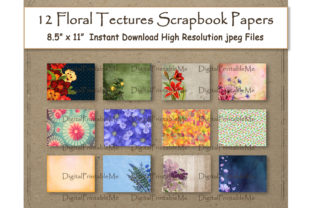
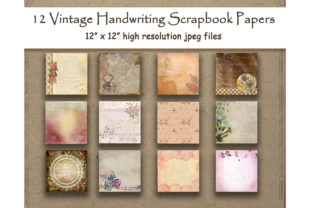
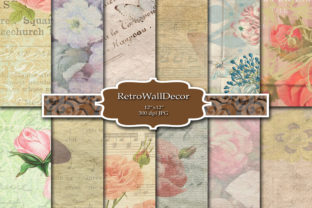
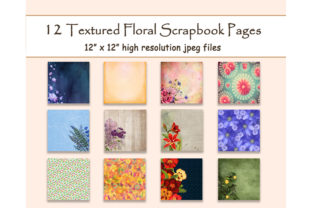
Floral Digital Paper 12 represents a specific category of digital assets designed for crafters, designers, and hobbyists seeking botanical textures without the logistical constraints of physical paper. This particular collection consists of twelve distinct flower-themed sheets, each formatted as a 12x12 inch JPEG file at 300 DPI. For individuals researching digital scrapbooking supplies or printable backgrounds, understanding the technical specifications and practical applications of this pack is essential for determining its suitability for current and future projects. The evaluation of this product requires looking beyond the aesthetic appeal to consider resolution standards, versatility across mediums, and the inherent tradeoffs between digital convenience and tactile authenticity.
Understanding the Product Specifications
When evaluating Floral Digital Paper 12, the technical foundation dictates its utility. The pack includes twelve unique designs featuring various floral patterns and textured backgrounds. The 12x12 inch dimension is the industry standard for digital scrapbooking, mirroring traditional album page sizes while remaining compatible with most home printers that handle letter or A4 paper through tiling or scaling. The 300 DPI (dots per inch) resolution is a critical metric; this density ensures that the files retain sharpness and color fidelity when printed at full size. Lower resolutions often result in pixelation or blurriness in print, but 300 DPI maintains the integrity of the vintage and textured details described in the product specifications.
The format provided is JPEG, which offers universal compatibility with graphic design software, word processors, and photo editing tools. Unlike vector formats, these are raster images, meaning they are composed of pixels. This distinction is vital for users planning to resize the images significantly. While 300 DPI supports high-quality printing at 12x12 inches, enlarging these files beyond their native dimensions may degrade quality. Conversely, scaling down for smaller projects like tags or jewelry maintains excellent clarity.
Primary Use Cases and Applications
The versatility of Floral Digital Paper 12 makes it relevant for a broad spectrum of creative endeavors. Evaluators should assess whether their intended projects align with the strengths of this medium. The primary application remains digital and hybrid scrapbooking, where the papers serve as foundational layers for photographs and journaling. However, the utility extends well beyond memory keeping.
- Paper Crafting and Card Making: The 12x12 size provides ample surface area for cutting multiple card fronts, envelopes, or mats from a single sheet, maximizing material efficiency.
- Event Stationery: For weddings and parties, these floral backgrounds function effectively as invitation bases, place cards, or menu backdrops. The variety of styles within the twelve-sheet pack allows for cohesive yet varied event branding.
- Gift Wrapping and Packaging: Users can print these designs onto standard paper to create custom gift wrap, box liners, or shopping bag inserts, offering a personalized alternative to commercial wrapping paper.
- Digital Design Assets: Graphic designers may utilize these textures as overlays or backgrounds in web graphics, social media posts, or digital planners, leveraging the vintage aesthetic to add depth to flat designs.
- Small Scale Crafts: Because the files are high-resolution, small sections can be cropped for use in jewelry making, bookmark creation, or decoupage projects without losing detail.
Benefits of Digital Over Physical Media
Selecting Floral Digital Paper 12 over physical scrapbook paper involves several distinct advantages centered on logistics and flexibility. Instant download capability eliminates shipping times and costs, allowing immediate project commencement. This immediacy is particularly valuable for time-sensitive projects or last-minute gifts. Furthermore, digital files offer infinite reproducibility. If a mistake occurs during cutting or printing, the user can simply reprint the sheet without depleting a finite physical inventory. This repeatability encourages experimentation and reduces the anxiety associated with using expensive specialty papers.
Storage is another significant factor. Twelve physical sheets of patterned paper require dedicated archival storage to prevent bending, fading, or humidity damage. The digital equivalent occupies negligible hard drive space and can be backed up to cloud storage, ensuring longevity without physical degradation. Additionally, digital manipulation allows users to adjust color balance, saturation, or contrast to match specific project needs, a level of customization impossible with pre-printed physical stock.
Tradeoffs and Practical Considerations
Despite the benefits, potential users must weigh specific tradeoffs. The most prominent limitation is the lack of inherent texture. While Floral Digital Paper 12 features textured designs, the final output depends entirely on the paper stock chosen for printing. Printing a textured digital file onto smooth glossy photo paper will yield a visual representation of texture without the tactile feel. To achieve a genuine vintage or textured sensation, users must invest in appropriate physical media such as linen cardstock, watercolor paper, or matte presentation paper. This adds a layer of complexity and cost that does not exist when buying pre-textured physical paper.
Color management also presents a challenge. Screen displays use RGB color profiles, while printers use CMYK. Colors viewed on a monitor may appear more vibrant than the printed result. Users evaluating this pack should anticipate a calibration period or accept minor color variations between screen and print. Additionally, because these are raster JPEGs, they are not ideal for large-format signage or professional publishing requiring vector scalability. If a project demands resizing to poster dimensions exceeding 12x12 inches without tiling, this product may not meet technical requirements.
Determining Fit: When to Choose This Pack
Floral Digital Paper 12 is likely a strong fit for creators who prioritize variety, convenience, and hybrid workflows. It suits those who already own a reliable printer and have access to diverse paper stocks for printing. It is also ideal for digital-first scrapbookers who never intend to print the backgrounds but want high-quality textures for digital layouts. The twelve-sheet variety pack structure offers better value per design than purchasing individual sheets, making it economically sensible for users who foresee multiple floral-themed projects.
Conversely, alternatives may be worth considering in specific scenarios. If a project requires metallic accents, embossing, or true fabric integration, physical mixed-media papers are superior. For users lacking printing equipment or those who dislike managing ink costs, physical paper remains the more practical choice. Additionally, professional designers needing commercial licensing for mass-produced merchandise should verify the specific license terms of this pack, as personal-use digital papers often restrict commercial application. Finally, if the goal is large-format wall art, seeking vector-based floral patterns or higher-resolution large-format files would prevent quality issues associated with upscaling 12x12 JPEGs.
Making an Informed Decision
Ultimately, the decision to acquire Floral Digital Paper 12 should stem from a clear alignment between the product's specifications and the user's workflow. Evaluators should confirm that 300 DPI meets their print quality standards and that the JPEG format integrates smoothly with their existing software ecosystem. Understanding that the "vintage" and "textured" descriptors refer to visual style rather than physical properties helps set accurate expectations. By recognizing both the expansive creative possibilities and the technical boundaries of digital paper, crafters and designers can effectively determine whether this collection serves as a valuable asset in their creative toolkit or if alternative solutions better address their specific project parameters.